


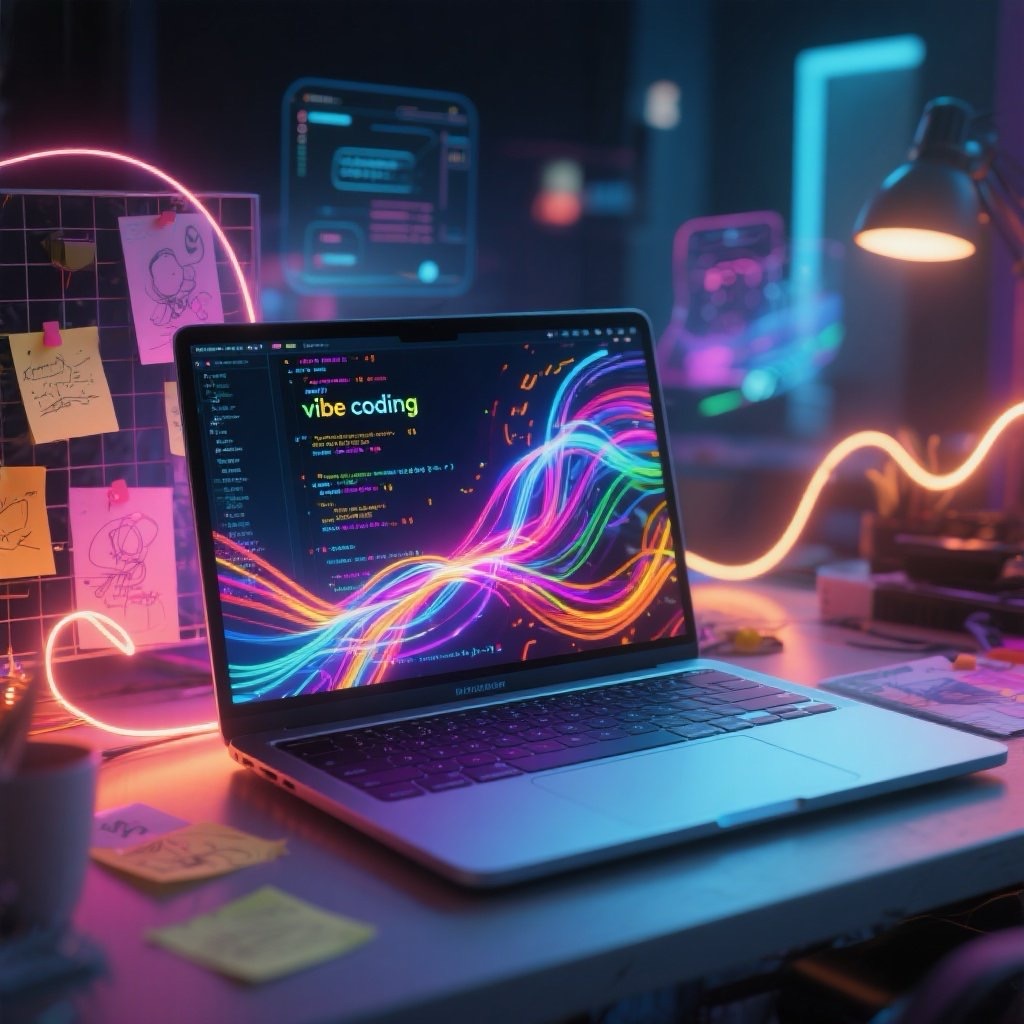
In the ever-evolving world of artificial intelligence, a new trend is emerging that’s changing the way developers and creators interact with code: vibe coding. But what exactly is vibe coding, and why is it gaining traction in the AI community?
What is Vibe Coding?
Vibe coding is a term that’s been floating around creative tech circles, referring to a more intuitive, expressive, and collaborative approach to programming—especially when working with AI models. Instead of focusing solely on strict logic and syntax, vibe coding encourages developers to “feel” their way through code, using intuition, experimentation, and even emotion to guide their process.
Think of it as jazz improvisation for programmers: you start with a structure, but you let the flow, mood, and creative spark lead you to unexpected and innovative results.
Why Does Vibe Coding Matter in AI?
AI development, especially in fields like generative art, music, and natural language processing, often benefits from a less rigid, more exploratory approach. Vibe coding allows developers to:
- Prototype rapidly: By focusing on the “vibe” or feel of the output, you can quickly iterate and experiment with different model parameters, prompts, or data sources.
- Collaborate creatively: Vibe coding is inherently social. It’s common to see teams or communities riffing off each other’s ideas, sharing snippets, and remixing code in real time.
- Break out of the box: Traditional coding can sometimes stifle creativity. Vibe coding encourages you to break rules, try weird things, and see what happens—often leading to surprising breakthroughs.
How to Start Vibe Coding with AI
- Choose Your Code playground: Tools like Jupyter Notebooks, Google Colab, and even AI coding assistants (like Copilot or ChatGPT) are perfect for quick experimentation.
- Set a Loose Goal: Instead of a strict spec, start with a vibe—maybe you want your AI to generate “chill lo-fi beats” or “surreal dreamlike images.”
- Experiment Freely: Tweak parameters, swap datasets, change prompts, and see how the AI responds. Don’t be afraid to follow tangents.
- Share and Remix: Post your results, code snippets, and even failures on platforms like GitHub, Hugging Face Spaces, or social media. Let others build on your vibe.
Real-World Examples
- Generative Art: Artists use vibe coding to create AI-generated visuals that evoke specific moods or aesthetics, often collaborating with other coders and artists.
- Music AI: Musicians are using AI models to jam, improvise, and co-create tracks, letting the “vibe” of the session dictate the direction.
- Conversational AI: Developers experiment with prompt engineering, adjusting tone and style until the chatbot “feels right” for their audience.
The Future of Vibe Coding
As AI tools become more accessible and creative, vibe coding is likely to become a staple in the developer’s toolkit. It’s not about replacing traditional coding, but about adding a new layer of intuition, playfulness, and collaboration to the process.
So next time you’re working with AI, try letting go of the rules for a bit. Follow the vibe—you might be surprised where it takes you.
What’s your experience with vibe coding? Share your thoughts or projects in the comments below!